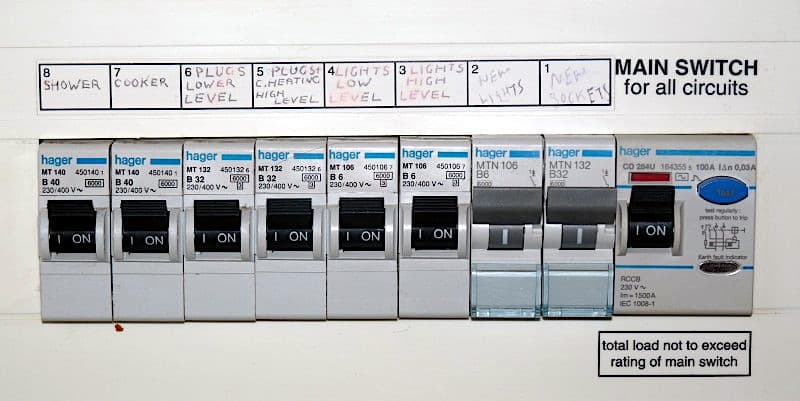
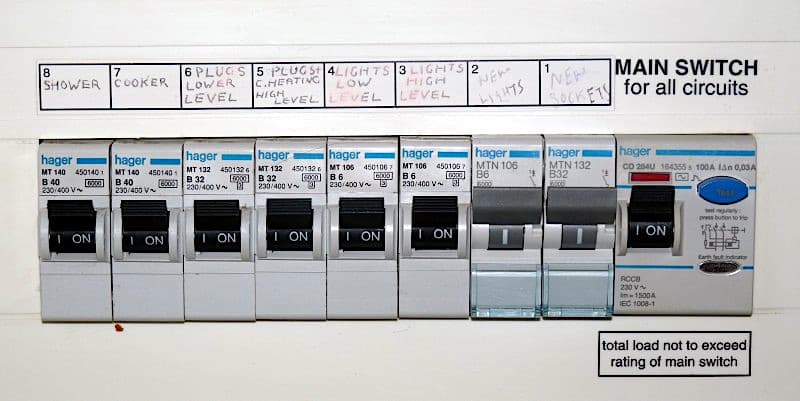
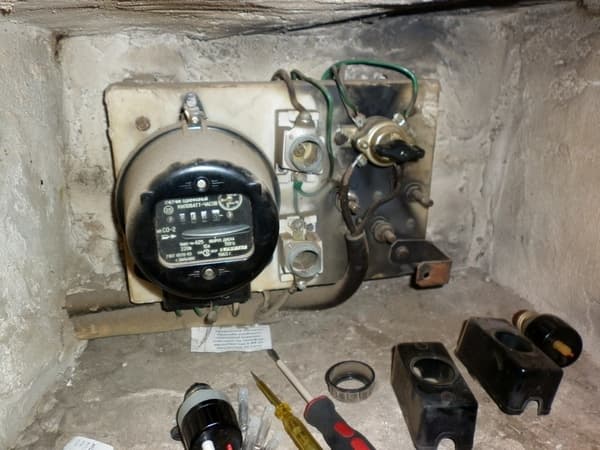
The switchboard is the one cupboard in an Adelaide house that tells the truth. A 1960s laundry board with ceramic fuses and a single main switch is not “character”. It is a record of every owner who added a circuit by lifting the lid and hoping. A modern board with RCBOs, a surge device and a label that still matches the rooms is a different kind of document: someone spent the money and the electrician left a map.
This hub is for the work that happens at that cupboard and in the voids behind it. We write about the jump from fuse wire to residual current devices, about rewiring a mid-century bungalow without chasing every cornice, about neutral faults that make lamps glow when they should be off, and about downlights sitting in insulation like little ovens. Three-phase turns up more often than inner-suburban owners expect, usually because a previous occupant ran a workshop, a ducted system or a cooktop that asked for it.
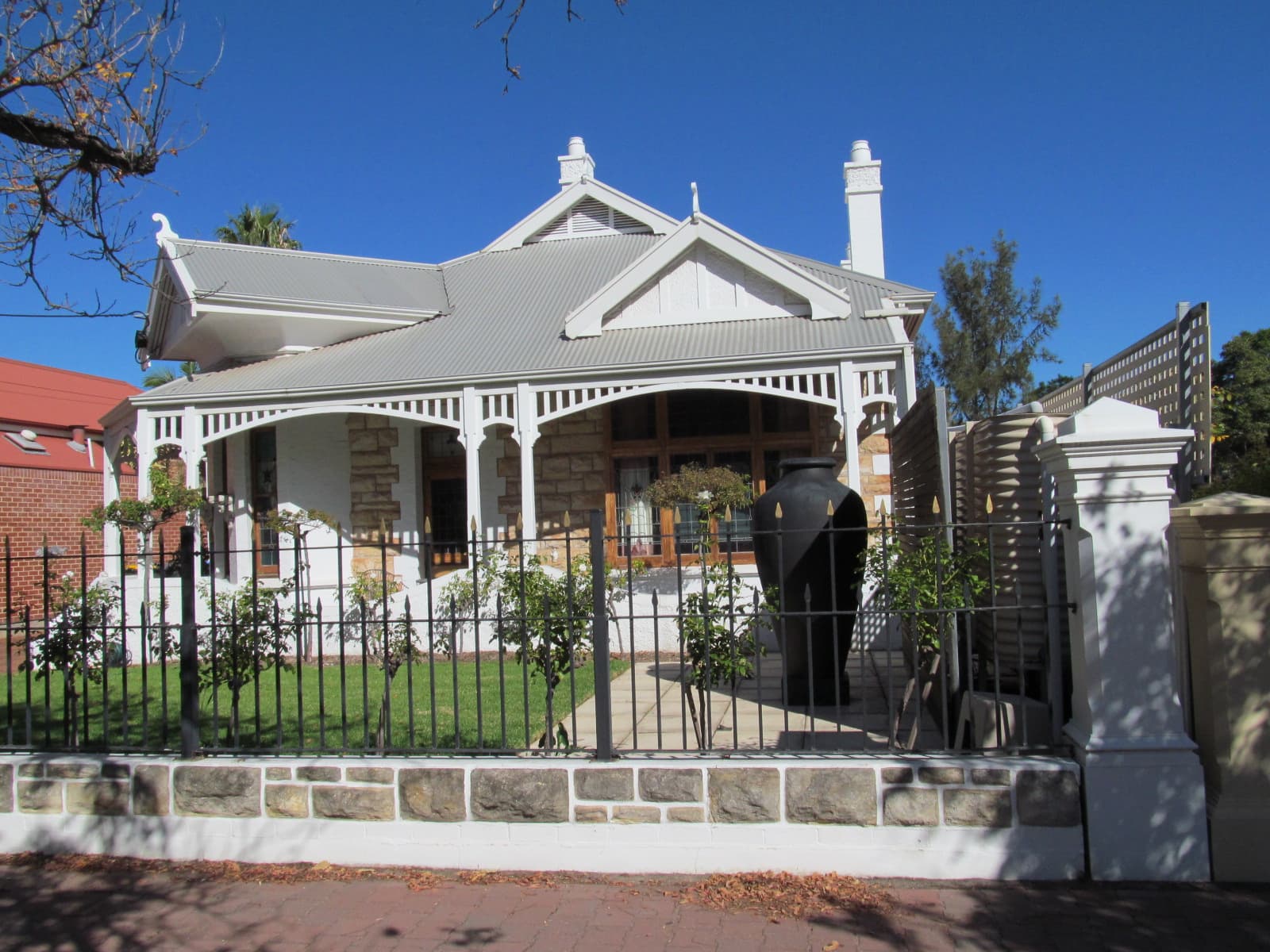
Adelaide’s housing stock makes the wiring personal. Double brick and bluestone do not forgive careless chasing. Cavity walls in the western suburbs hide TPS that has been stapled to the world since the 1970s. Transportable homes and later brick veneers have different voids again. The Adelaide houses hub covers the building; this one covers the copper.
A licensed electrician will isolate, test and leave a Certificate of Compliance. You should see that paper. If a quote talks only about “upgrading the look of the board”, read fuse boards to RCD upgrades first. Pretty doors do not clear a fault.
Three-phase is not a status symbol. It is a network conversation about workshops, induction cooktops, ducted air and the moment an EV charger arrives on a board that already hosts solar. Sometimes load management is cheaper than a new service.
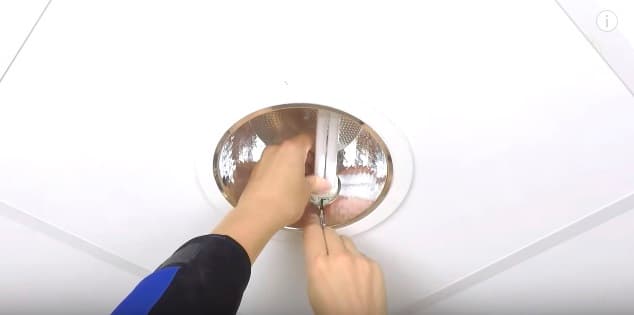
Halogen holes, roof bats and the wrong IC rating have started more Adelaide ceiling fires than most owners want to think about. LED is not a magic exemption. The fitting, the insulation and the transformer still have to agree.
A lamp that glows when it should be off is not a quirk. In older South Australian houses a broken neutral can float voltages, tingle metalwork and cook appliances. The MEN system only works if the bond is intact.
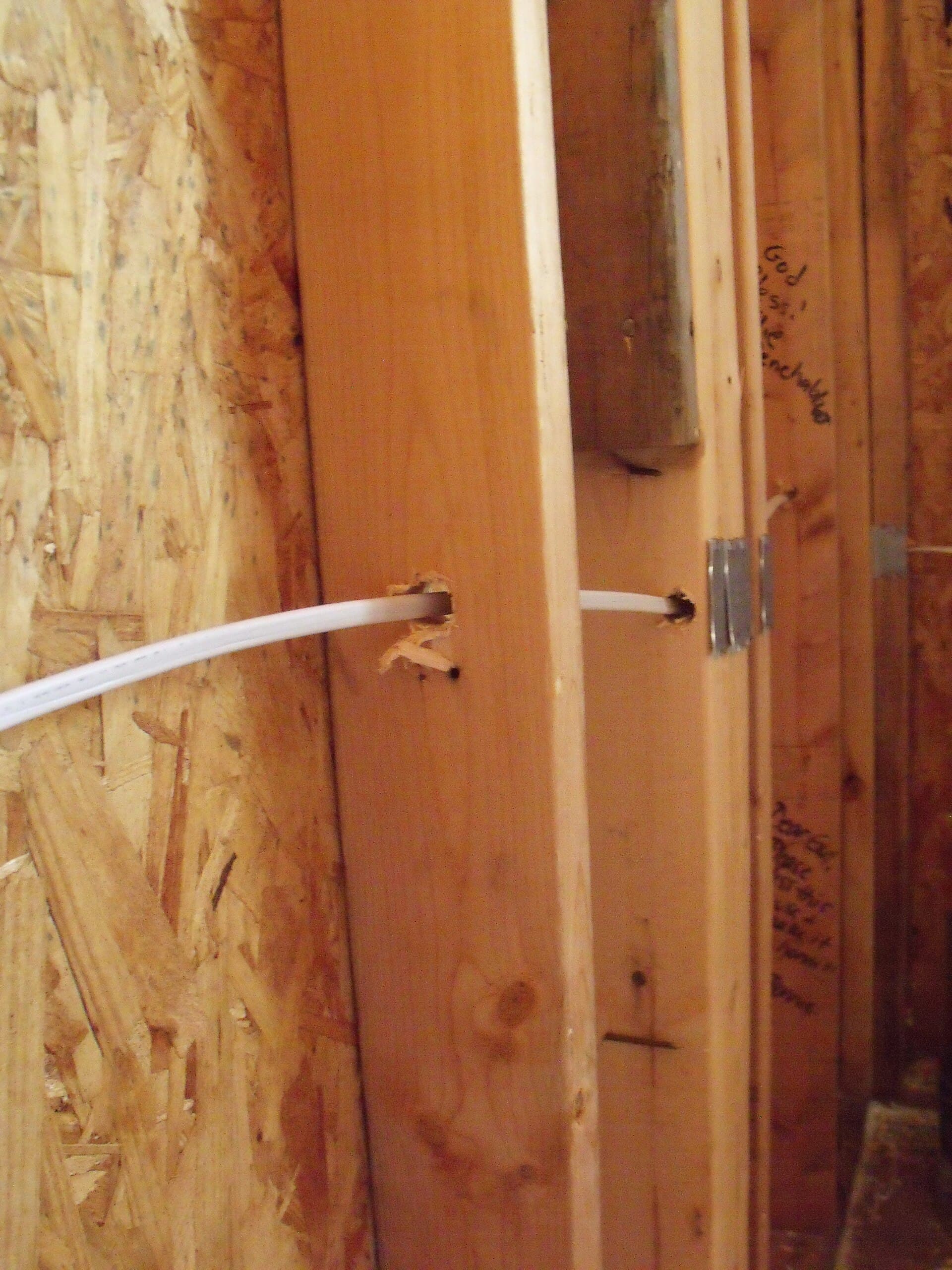
Unley and Goodwood bungalows can be rewired without turning the cornice into gravel. The work still belongs to a licensed electrician. This is a housing essay about voids, floorboards, roof spaces and the particular patience a mid-century Adelaide house requires.
A laundry cupboard with ceramic fuses is not a heritage feature. It is a record of every circuit added since the house was last taken seriously. This essay sets out when an Adelaide switchboard has reached its use-by, what an RCD or RCBO actually does, and why a pretty door does not clear a fault.